DIY Dog Grooming Guide
Every dog owner eventually faces the same question. Should you wash your pup at home, take them to a professional groomer, or try something in between? Professional grooming provides excellent results, but it can be costly and requires you to work around appointment times. Your dog may not enjoy the experience, making what should be routine care a stressful situation for everyone.
Washing your dog at home saves money and allows you to work on your own schedule. When your pup decides to play in the mud, you won’t need to wait for an appointment. However, wrestling a wet dog in your bathtub and cleaning up afterward isn’t exactly appealing, either.
There’s a better option. A self-serve dog wash station combines the convenience and savings of DIY grooming with professional-quality equipment and facilities. No more messy bathroom cleanups, no expensive groomer bills, and no scheduling issues. Just clean, happy dogs and satisfied owners.
What Is a Self-Serve Dog Wash?
A self-serve dog wash is a fully equipped facility where you can bathe and groom your dog yourself using professional tools and supplies. Unlike washing at home, these stations provide everything you need in one place: shampoos, conditioners, dryers, towels, and specialized equipment for dogs of all sizes.
Dog wash stations are designed to make grooming easy while giving you full control over how you care for your furry friend. Common locations for self-serve pet washes include:
- Dog parks.
- Pet stores.
- Car washes.
- Veterinary clinics.
- RV parks.
- Apartment buildings.
Most self-serve dog washing facilities operate on a simple payment system. You pay for the time you use, typically around $15 for a 20-minute session, which includes all the equipment and supplies.
Benefits of Using a Self-Serve Dog Wash
DIY dog grooming at a self-service facility offers benefits you won’t get at home or with a professional groomer.
Convenience and Flexibility
Many self-serve dog wash stations are open 24/7, so you can bathe your dog whenever it suits you. Whether it’s early morning, late evening, or anytime in between, you won’t need to worry about appointments or availability. If your dog finds a mud puddle at 10 p.m., you can take care of it immediately instead of waiting for the groomer to open.
This flexibility is especially important for busy pet owners who work unusual hours or simply prefer to groom their pets on their own schedule.
Professional Equipment Without Professional Prices
When you use a dog grooming station, you have access to commercial-grade equipment made for pet care. This includes:
- Elevated washing platforms that reduce back strain.
- High-powered sprayers that penetrate thick coats.
- Temperature-controlled water for your dog’s comfort.
- Professional-grade blow dryers and vacuums.
- Various shampoo and conditioner options for different coat types.
- Disinfectant spray to clean the space before and after use.
All these tools are included in the low per-session price. You don’t have to buy expensive equipment or haul supplies from home.
No Mess at Home
One of the biggest advantages of a self-serve facility is keeping the mess out of your house. Dogs shake, splash, and track water everywhere during bath time. This often leads to soaked floors, water-spotted mirrors, and a lingering wet-dog smell.
A self-serve dog washing station contains all the mess in a space designed for easy cleanup and drying. When you’re done, you can simply walk away, no scrubbing floors, no unclogging drains full of fur, and no odors to clear out.
Better Experience for Larger Dogs
If you have a large or giant breed, bathing at home can be nearly impossible. Lifting a heavy dog into a bathtub is risky for both of you. Many home tubs aren't even big enough for larger dogs to be comfortable.
Dog wash stations have ground-level or low-platform designs with ample space for dogs of all sizes. Your large-breed companion can walk in easily, and you’ll have the space and equipment to do a thorough job without straining yourself.
How to Use a Self-Serve Dog Wash Station
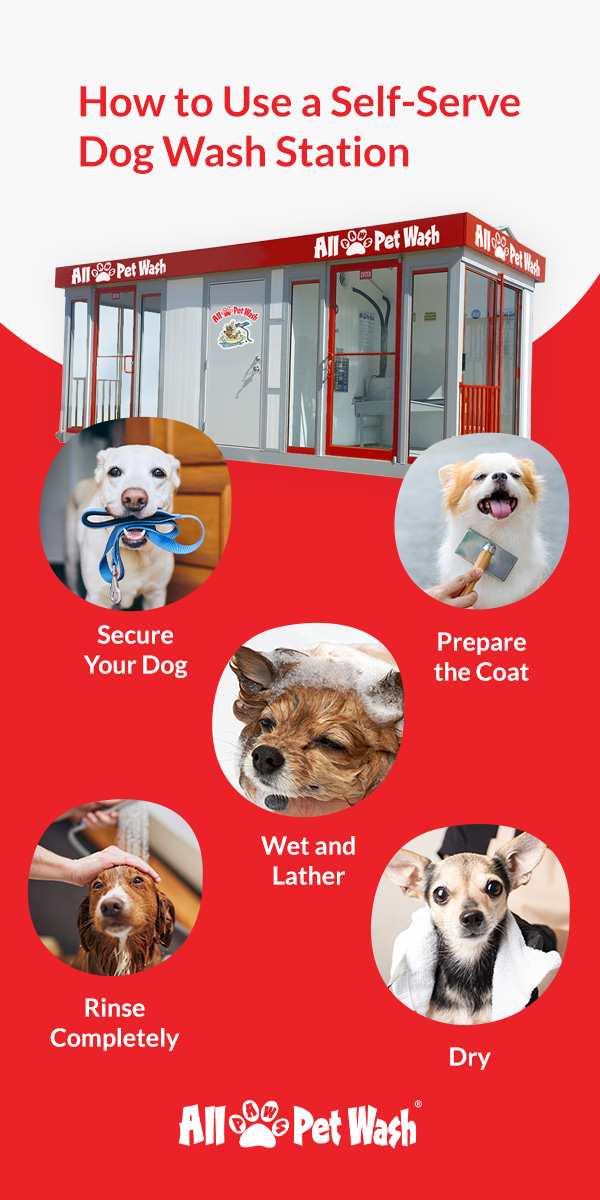
Using a self-serve dog wash is simple, even if you’ve never done it before. Here’s what to expect:
Step 1: Secure Your Dog
Bring your dog into the facility on a leash. Most stations have secure hooks or tethers to keep your dog in place during the wash. This frees up your hands for washing and keeps your pup from jumping out mid-bath.
Take a moment to offer your dog a treat to help them relax in the space. Creating positive associations with the grooming station makes future visits easier.
Step 2: Prepare the Coat
Before turning on the water, check your dog’s coat for mats, tangles, or debris, such as burrs. Remove what you can with your fingers or a brush. This prevents tangles during washing and helps the shampoo work better.
Step 3: Wet and Lather
Adjust the water temperature to comfortably warm, not hot. Wet your dog’s coat thoroughly, starting from the neck down to keep water out of their ears and eyes.
Pick your preferred shampoo and apply it generously, working it into a nice lather. Most dog grooming stations offer several shampoo options, including formulas for sensitive skin, flea and tick control, and coat conditioning.
Step 4: Rinse Completely
It’s important to rinse well. Leftover shampoo can irritate the skin and attract dirt, ruining all your hard work. Rinse until the water runs clear, and you feel no slippery residue when you run your hands through your dog’s coat.
If you’re using conditioner, apply it after rinsing out the shampoo, then rinse again thoroughly.
Step 5: Dry
Use the provided towels to soak up excess water, then finish with the blow dryer. Keep the heat setting moderate and introduce the dryer gradually if your dog isn’t used to the noise. Some dogs tolerate dryers well, while others prefer towel drying.
Dog Grooming Tips for Best Results
These dog grooming tips will help you achieve professional-quality results at a self-serve dog wash station:
- Brush before bathing: Removing loose dirt and hair before the bath makes shampooing more effective and prevents mats from tightening when wet.
- Protect ears from water: Water in the ear canal can cause infections. Some pet owners place cotton balls in their dog’s ears during bathing, but this isn't necessary for all dogs. If your dog is prone to ear issues, consult your veterinarian about preventive measures.
- Wash from the neck down: Keeping water away from your dog’s head helps protect their ears and eyes. Use a damp washcloth to clean your dog’s face separately.
- Take your time with drying: Rushing the drying process can stress your dog. If the dryer noise is scary, stick with towels or introduce the dryer slowly with treats and positive reinforcement.
- Use the disinfectant: Before you start, spray down the washing area with the provided disinfectant. This ensures a clean space for your dog.
Complete DIY Dog Grooming: Beyond the Bath
While bathing is the most common grooming task, complete DIY dog grooming includes several other important care routines. Regular attention to these areas keeps your dog healthy, comfortable, and looking their best.
Essential Grooming Tools
If you’re handling grooming beyond basic bathing, gather these tools:
- A quality dog brush suitable for your dog’s coat type
- Nail clippers (scissors-style preferred) or a nail grinder
- An emery board for smoothing rough nail edges
- Styptic powder or cornstarch (for accidental nail bleeding)
- Ear cleaning wipes or solution
- Eye cleaning wipes
- A dog-safe toothbrush and toothpaste
- Grooming scissors with rounded tips
- Hair clippers (for breeds that need regular trims)
Cleaning Eyes and Ears
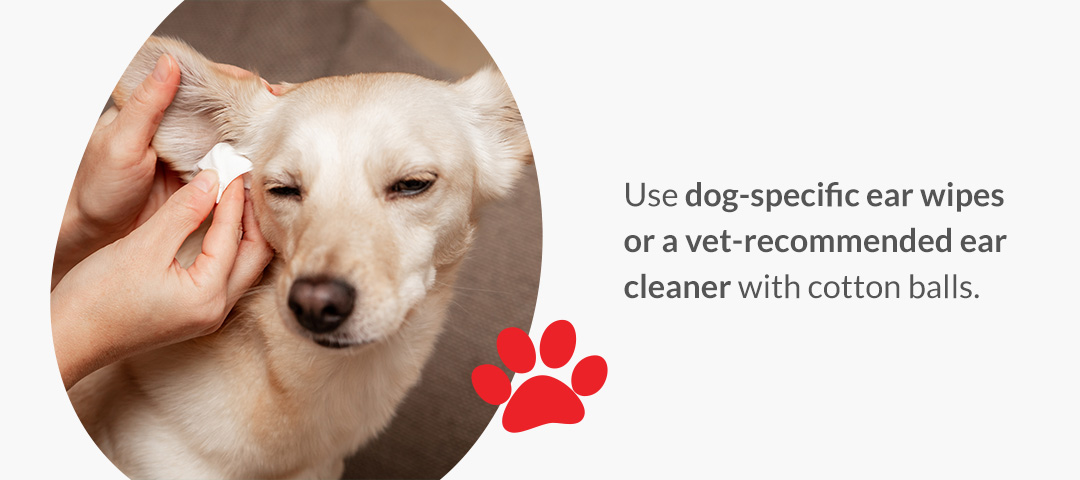
After bathing and drying, pay attention to your dog’s face. Some breeds are prone to tear staining around the eyes. Special pet-safe wipes can gently remove these stains.
While cleaning around the eyes, check their health. Gently pull down the lower eyelid- it should be pink, not red or white. Unusual discharge, crustiness, or color changes mean you should visit the vet.
Cleaning ears helps prevent infections, especially in dogs with floppy or hairy ears. Use dog-specific ear wipes or a vet-recommended ear cleaner with cotton balls. Clean only what you can see. Never probe deep into the ear canal. Look for redness, swelling, unusual odors, or discharge, which may indicate infection.
If your dog swims often, be extra careful with ear care. Dry their ears thoroughly after water activities and consider using a drying solution recommended by your vet.
Brushing and Coat Maintenance
Regular brushing removes dead skin, spreads natural oils, and prevents matting. The frequency and tools you use depend on your dog’s coat:
- Short: Brush weekly with a rubber-bristle brush to remove loose hair and dirt.
- Dense: Use a slicker brush to work through the undercoat and avoid mats. Brush at least twice a week.
- Long: Brush daily to prevent tangles and mats. Start with a slicker brush to remove tangles, then finish with a bristle brush. A light conditioning spray can make brushing easier.
- Curly: Daily attention is crucial since curls trap shed hair, creating painful mats. Use a slicker brush and make sure to rinse thoroughly during baths, as curly coats tend to hold on to shampoo residue.
Nail Trimming
Unless your dog exercises a lot on hard surfaces, regular nail trims are necessary. Overgrown nails can cause discomfort and lead to foot problems.
Most professionals prefer scissors-style clippers over guillotine types because they offer better control. Before clipping, separate the toes and trim the excess hair between the pads. Clip just the tip of each nail, smoothing rough edges with an emery board or grinder.
If the nails are very long, trim small amounts weekly to avoid cutting too much at once.
Dental Care
Many pet owners overlook dental hygiene, but it’s important for overall health. Dental disease can lead to heart, kidney, and liver problems. Regular brushing can help you avoid costly veterinary dental procedures.
Introduce tooth brushing gradually. Use dog-specific toothpaste in flavors that dogs like. Start with brief sessions and follow up with praise and treats. As your dog gets comfortable, work up to daily brushing.
Haircuts and Trimming
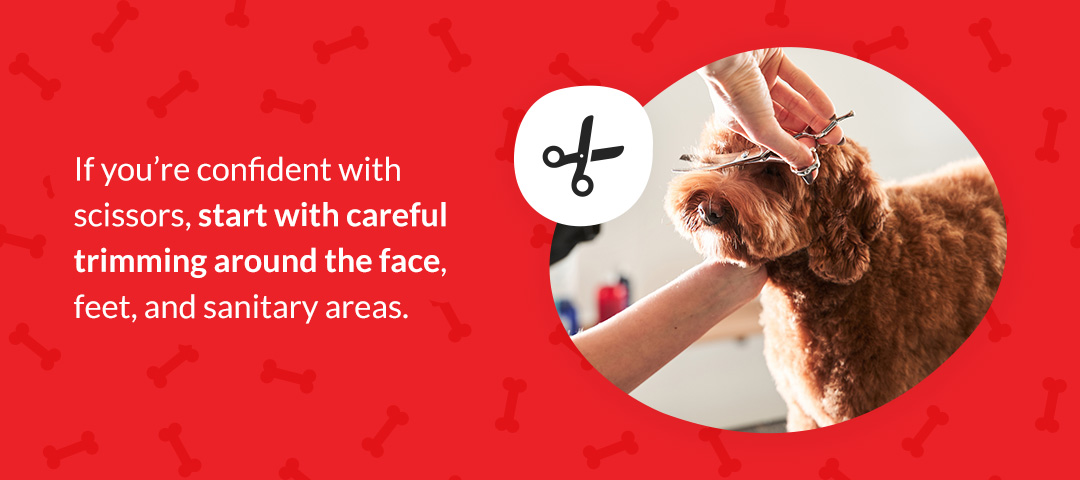
Some dogs need regular haircuts to keep their coats manageable. If you’re confident with scissors, start with careful trimming around the face, feet, and sanitary areas. Use blunt-tipped or ball-tipped scissors to avoid accidental injury if your dog moves.
For more demanding haircuts, consider professional grooming or invest in quality clippers and training. Using poor technique can lead to uneven cuts or injuries.
Breed-Specific Grooming Considerations
Certain breeds need extra grooming attention:
- Wrinkled breeds: Clean and dry their skin folds daily to prevent irritation and infection. Use gentle wipes or a soft cloth with a mild cleanser, then dry thoroughly.
- Floppy or hairy ears: These ears trap moisture and dirt, increasing the risk of infection. Clean your dog’s ears weekly instead of monthly. Some breeds may benefit from ear hair plucking, which your veterinarian can show you.
- Non-shedding coats: These coats need daily brushing and regular trimming to prevent mats.
- Tear-prone breeds: Rinse their eyes daily with pet-safe eyewash to avoid staining. Trim the hair around their eyes short.
DIY Dog Grooming Made Easy With All Paws Pet Wash
All Paws Pet Wash makes DIY dog grooming easy, affordable, and fun. Our self-serve dog wash stations are conveniently located across the country, providing everything you need for professional-quality grooming without high costs.
Using an All Paws Pet Wash station means you won’t have to bend over a bathtub or clean your bathroom afterward. We provide the supplies, the space is designed for dogs of all sizes, and the washing process is simple. You can bond with your furry friend while saving money and keeping your home clean.
Our facilities are temperature-controlled for year-round comfort, stocked with quality shampoos and conditioners, and equipped with professional dryers and vacuums. Everything you need is available, ready for use whenever it works for you.
Start Your Own Pet Wash Business
As more pet owners seek affordable and convenient grooming options, self-serve dog washes have become a key part of the fast-growing pet industry.
All Paws Pet Wash offers fully equipped stations ready to connect to utilities. These units are easy to operate and maintain, providing passive income with minimal time commitment. Operators usually visit their locations once or twice daily for cleaning and restocking — no staff needed, no complicated management. It’s a great opportunity for car wash owners, convenience store operators, or anyone wanting to add a profitable service to their existing business or property.
We also offer complete support, including equipment packages, signage, marketing materials, and operational advice.
Find a Self-Serve Dog Wash Near You
Whether you’re washing a muddy pup after a park visit or keeping up with your dog’s regular grooming routine, our self-serve dog wash stations make the job faster and easier. Your dog stays clean, your home stays dry, and you save money.
Ready to enjoy the convenience and affordability of DIY dog washing? Find an All Paws Pet Wash location near you and see how easy grooming can be with the right tools and facilities, or reach out to learn more about starting a pet wash station in your community.